
One of the most persistent myths in whiskey is that older is always better. I have watched guests dismiss a brilliant six-year-old bourbon in favour of a mediocre eighteen-year-old Scotch purely because of the number on the label. Age matters — but not in the way most people think. Understanding what an age statement actually tells you, and what it does not, will make you a far smarter buyer.
What an Age Statement Means
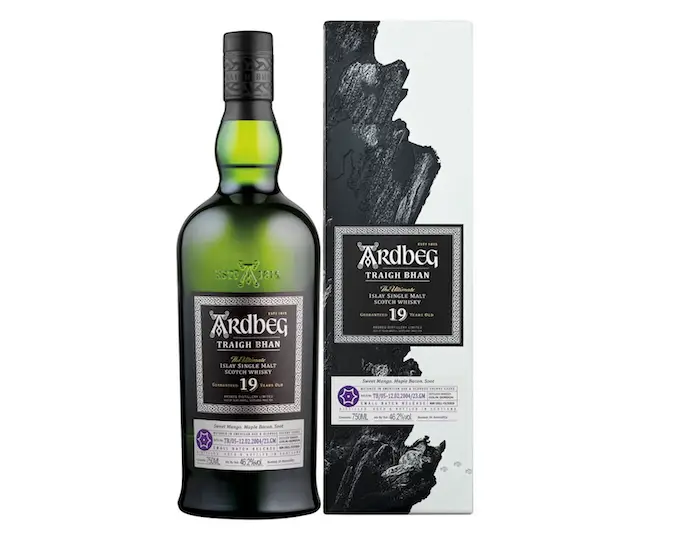
The age on a whiskey label refers to the youngest spirit in the bottle. This is a legal requirement in Scotland, the EU, and most whiskey-producing countries. If a bottle says 12 years, every single drop of liquid has spent at least twelve years in a cask. A blended Scotch labelled as 12 years old may contain whisky aged fifteen, twenty, or even thirty years — but the youngest component sets the number. Distillers and blenders often use this to their advantage, building depth and complexity from a range of ages while the label only tells you the floor.
Does Older Always Mean Better?
No. And I say that with some force because this misconception drives more bad purchases than any other. After about 15 to 20 years in oak — depending on climate, cask type, and warehouse conditions — whiskey can become over-oaked: tannic, woody, and bitter. I have tasted 25-year-old whiskies that were extraordinary and 25-year-old whiskies that tasted like chewing a plank. Meanwhile, some of the most vibrant, exciting whiskies I have ever poured were under ten years old. Climate plays a role too: a four-year-old bourbon aged in Kentucky's extreme heat can have more oak character than a twelve-year-old Highland Scotch. Age is a piece of information, not a quality score.
The Rise of NAS Whiskey
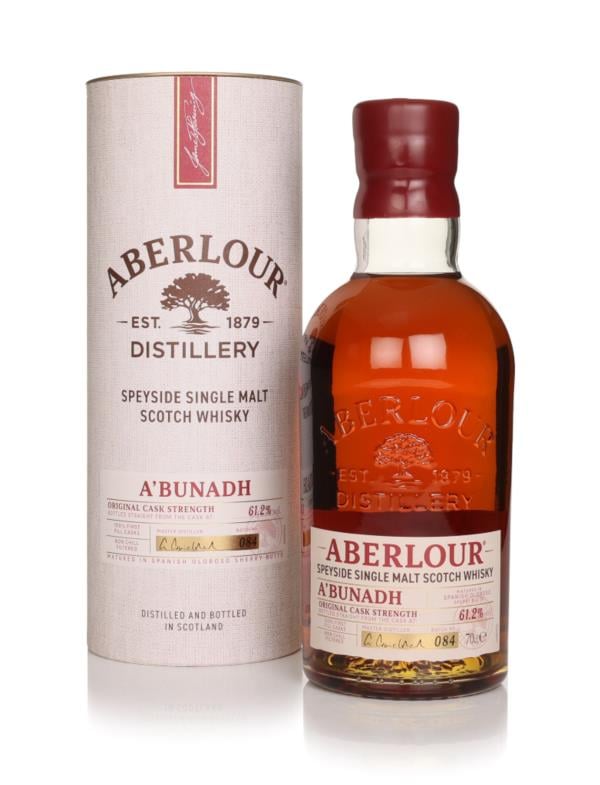
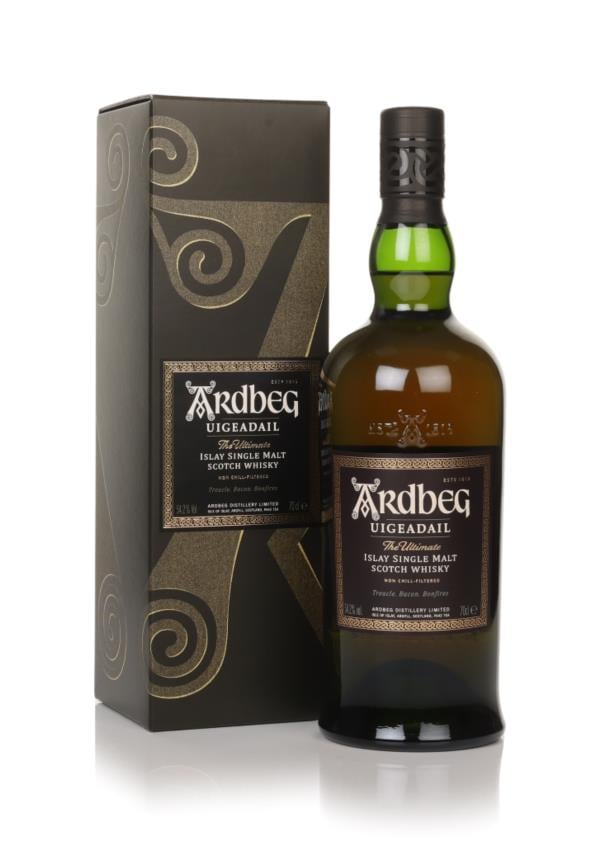
NAS — no age statement — whiskeys have become increasingly common, and they attract controversy. Purists argue that dropping the age is a way to hide young spirit. Sometimes they are right. But NAS also gives blenders freedom to combine whisky of different ages to hit a specific flavour target without being constrained by the youngest component. Some outstanding whiskies are NAS by design: Ardbeg Uigeadail, Aberlour A'Bunadh, and Monkey Shoulder are all age-statement-free and all brilliant. Judge the liquid, not the number — or the absence of one.
Notable Age-Stated Whiskeys We Recommend
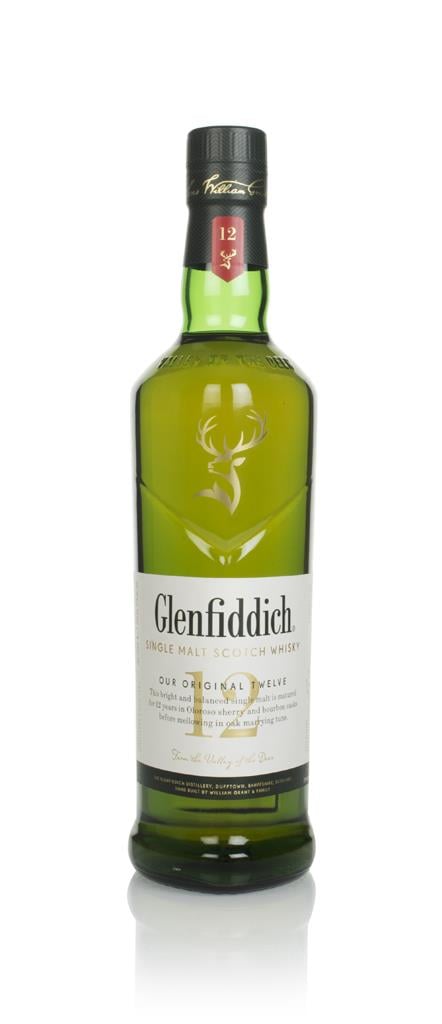
If you want to taste how age shapes whiskey, try a vertical — the same distillery at different ages. Glenfiddich 12, 15, and 18 is a classic exercise: watch how the fruit recedes as the oak advances, and how the texture thickens with time. For bourbon, compare Buffalo Trace (no age statement, roughly 8 years) with Eagle Rare 10 — same distillery, similar recipe, dramatically different characters. These comparisons teach you more about age than any guide ever could.
Conclusion
An age statement is useful information, but it is only one piece of the puzzle. Cask quality, grain recipe, distillation style, and climate all matter as much or more. Learn to use age as a guide rather than a guarantee, and you will find brilliant whiskey at every point on the timeline.