
I have visited distilleries in Kentucky, Scotland, Ireland, and Japan, and the thing that strikes me every single time is how powerfully place shapes flavour. The water, the grain, the climate, the barrels, and the traditions of each region create whiskies that could not have come from anywhere else. This guide is a map of the whiskey world — not exhaustive, but enough to orient you and point you toward the bottles that best represent each region's character.
Kentucky & American Bourbon Country
Kentucky produces around 95% of the world's bourbon, and there is a reason for that. The limestone-filtered water is naturally high in calcium and low in iron, which is ideal for fermentation. The extreme seasonal temperature swings — blazing summers and freezing winters — drive the whiskey deep into the new charred oak barrels and pull it back out again, accelerating maturation. The result is bold, sweet, full-bodied whiskey with pronounced vanilla, caramel, and baking spice. The Bourbon Trail through Louisville, Lexington, and Bardstown is one of the great spirits pilgrimages. Outside Kentucky, craft distilling has exploded across the United States — Texas, New York, and Colorado are all producing interesting whiskey with distinct regional character.
Scotland's Whisky Regions
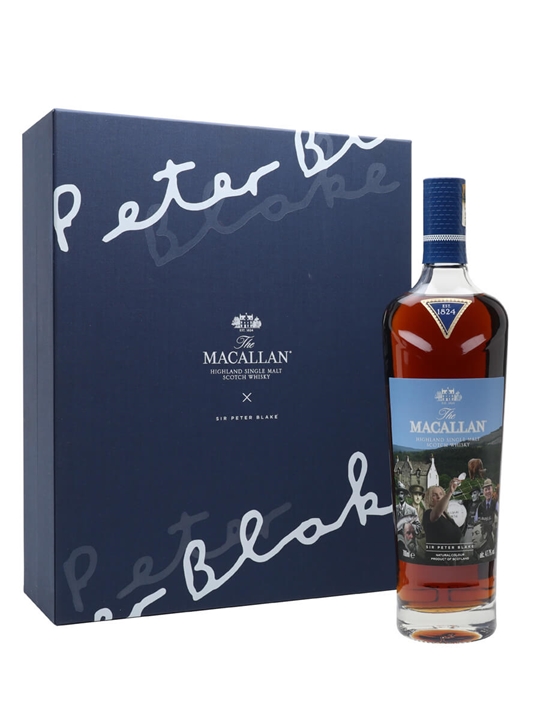
Scotch whisky is officially divided into five regions, though the flavour diversity within each is enormous. The Highlands produce everything from light and floral (Dalwhinnie) to rich and sherried (Dalmore). Speyside, nestled within the Highlands, is home to the highest concentration of distilleries in Scotland and is known for fruity, elegant malts — Glenfiddich, Macallan, and Balvenie all call it home. The Lowlands make gentle, grassy whiskies that are perfect for beginners. Campbeltown, once Scotland's whisky capital, now has just three distilleries but produces bold, briny, characterful spirits. And then there is Islay — a tiny island that punches absurdly above its weight, producing the most intensely peated, smoky whiskies in the world. If you have tasted Laphroaig, Ardbeg, or Lagavulin, you have tasted Islay, and you either love it or you are still working up to it.
Ireland
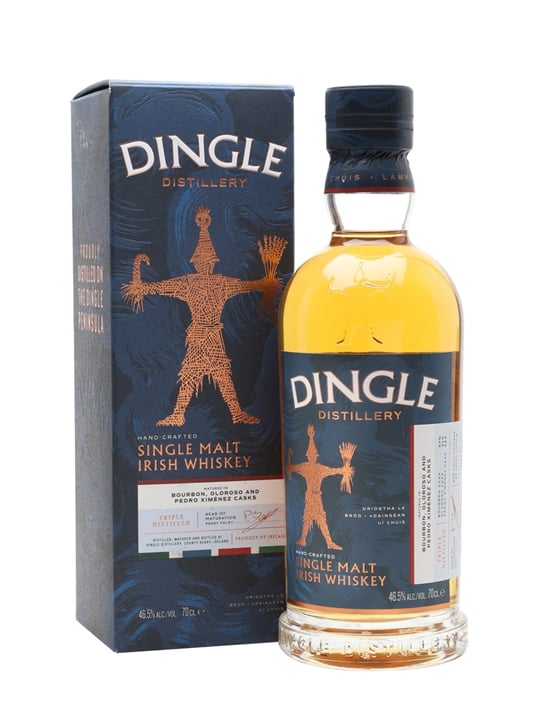
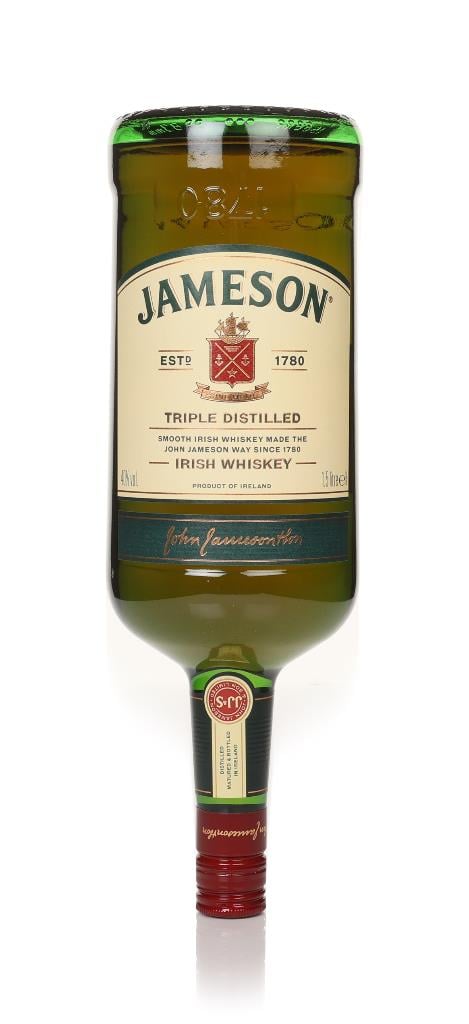
Irish whiskey is in the middle of a remarkable renaissance. For decades, Irish meant Jameson and little else. Today there are over forty distilleries operating across the island, producing everything from classic triple-distilled pot still whiskey to experimental single malts and peated expressions. The traditional Irish style is smooth, approachable, and slightly honeyed — that triple distillation creates a lighter, cleaner spirit than most Scotch. But new producers like Dingle, Waterford, and Method and Madness are pushing boundaries in ways that would have been unthinkable ten years ago. I pour more Irish whiskey now than at any point in my career, and I expect that trend to continue.
Japan
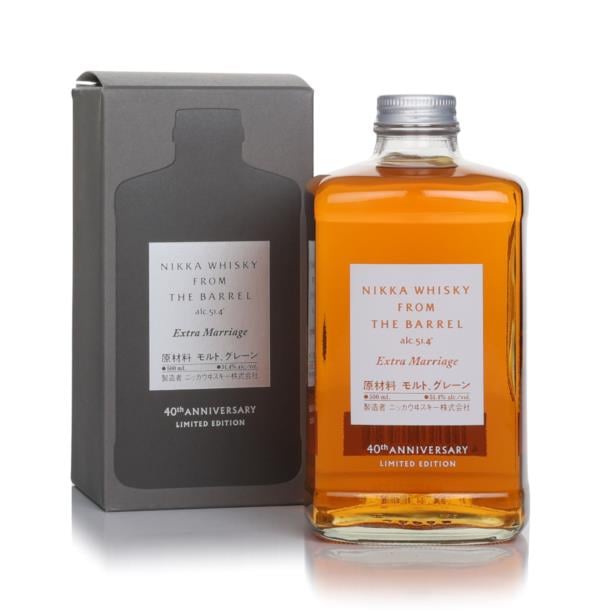
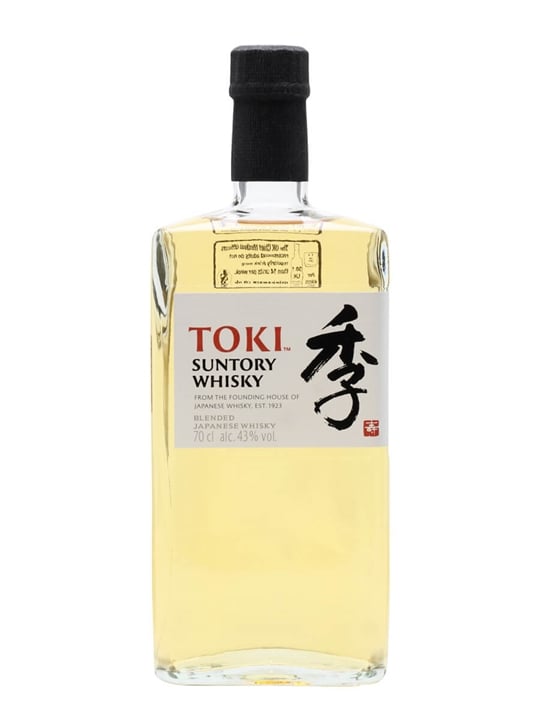
Japanese whisky is modelled on Scotch — the founders of Suntory and Nikka both trained in Scotland — but it has developed its own distinct identity. Precision, balance, and subtlety are the hallmarks. Japanese distillers often use Mizunara (Japanese oak) casks, which impart a distinctive sandalwood, incense, and coconut character found nowhere else. The attention to detail is extraordinary: some distilleries produce dozens of different spirit styles in-house using different still shapes, yeast strains, and fermentation times, then blend them internally. Suntory Toki is an excellent and affordable entry point. Yamazaki, Hakushu, and Nikka From The Barrel are worth seeking out for something more complex. Availability remains tight and prices are high, but the quality justifies the search.
Conclusion
Every whiskey region has something unique to offer, shaped by geography, climate, tradition, and the people who make it. Start with the region that appeals to your palate — bourbon if you like sweetness, Speyside if you like elegance, Islay if you like smoke — and use it as a base camp. The best whiskey journeys take you to places you never expected to visit, and the world has never made more good whiskey than it makes right now.