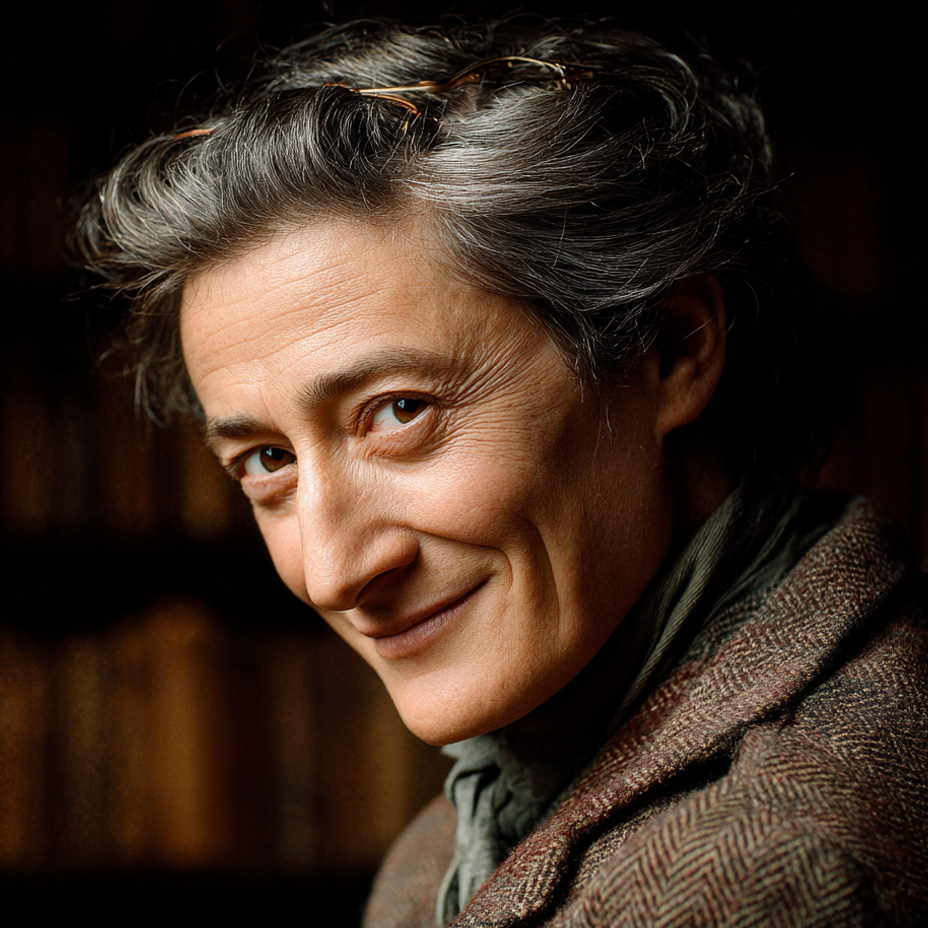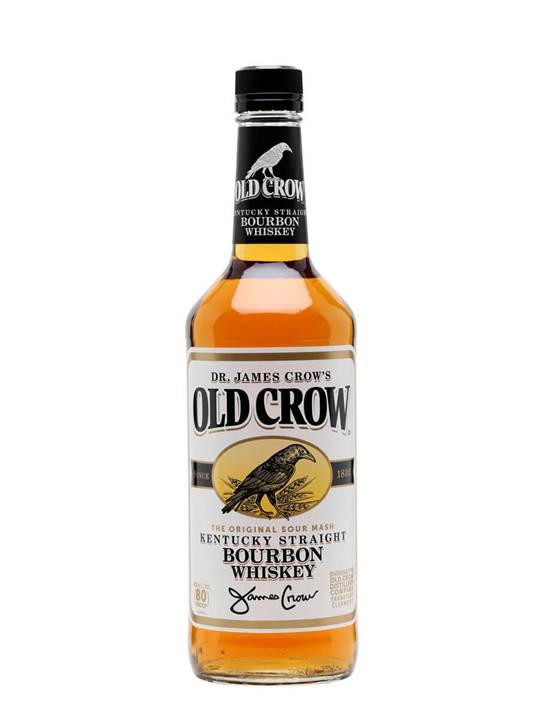
Old Crow was once the most prestigious bourbon in America. Created by Dr James C. Crow in the 1830s — the Scottish chemist who introduced the sour mash process and scientific rigour to Kentucky distilling — it was the bourbon of choice for presidents, generals and the Kentucky aristocracy. Ulysses S. Grant, Henry Clay and Mark Twain all drank Old Crow. Its decline from America's finest to its cheapest is one of bourbon's saddest stories.
The modern Old Crow, produced by Jim Beam, is a bottom-shelf bourbon that bears no resemblance to the whiskey that once defined the category. It is young, thin and harsh — a bourbon that exists solely because the famous name still moves units at the lowest possible price point. At twelve dollars, it competes with other budget bourbons and loses to most of them.
Old Crow is included here as a historical footnote rather than a recommendation. The bourbon is drinkable — barely — and functional as a mixer if nothing better is available. But the gap between Old Crow's storied past and its dreary present serves as a cautionary tale about what happens when a great brand is reduced to a price point. Dr Crow, who revolutionised bourbon production, deserves better than this tired memorial to his name.