The Exchequer Rolls of Scotland for 1494 contain a brief and famous entry: eight bolls of malt, granted to Friar John Cor of Lindores Abbey, by order of King James IV, wherewith to make aqua vitae. It is the first written reference to whisky-making in Scotland, and for five centuries the abbey ruins at Newburgh in Fife stood as a kind of unmarked shrine to the spirit's beginnings.
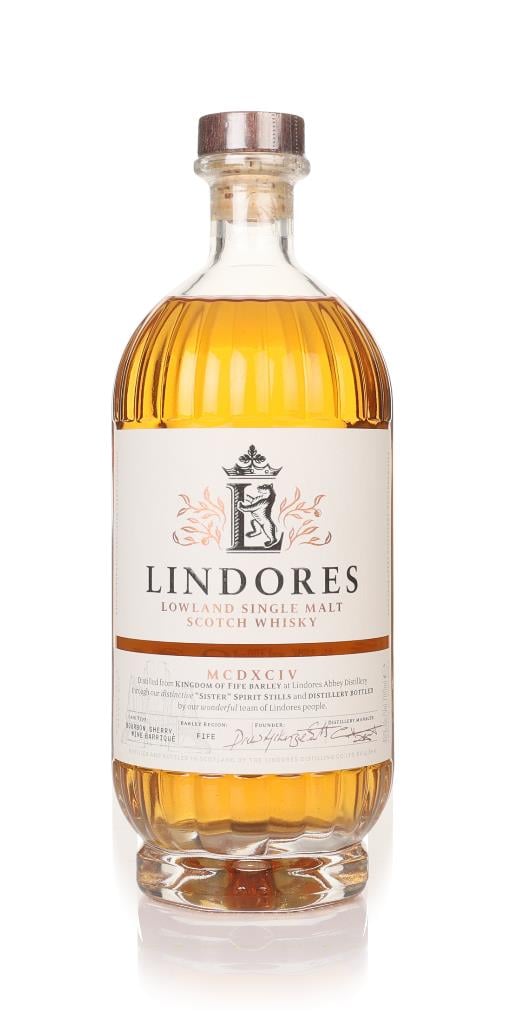
In 2017 the McKenzie Smith family — owners of the abbey lands — opened a working distillery beside the ruins, naming it for the abbey itself and dedicating their first single malt, MCDXCIV, to the Roman numeral year of Friar Cor's grant. The whisky is matured in a combination of bourbon, sherry, and STR (shaved, toasted, recharred) wine casks, then bottled at 46 percent without chill-filtration or colouring.
It is a young whisky that wears its youth well, with the sherry and STR casks lending a depth that belies the limited time in wood. There is something pleasingly circular about drinking it on the spot where Friar Cor pottered about with his copper pots — five hundred years on, the same Fife fields, the same purpose, and a dram that does no dishonour to its lineage.