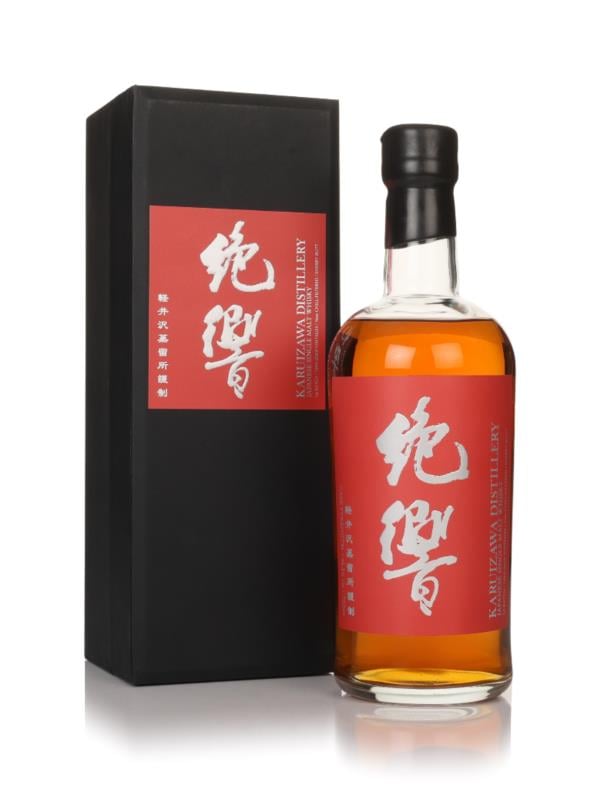

The 1999 and 2000 vintages occupy a strange and sacred place in the Karuizawa story. These were the very last casks the distillery ever filled before production ceased in 2000. Every bottle from these years carries the weight of a final gesture — a spirit caught at the moment of its disappearance.
Mercian closed Karuizawa quietly, intending only a temporary shutdown. It became permanent. The remaining stocks slept in the volcano-side warehouses for another decade and a half before Number One Drinks Company began rescuing and bottling them, transforming a forgotten Japanese whisky into one of the most coveted spirits on earth.
This particular vintage, bottled at 60.3% from a single Sherry cask, retains a youthful tropical brightness that surprises me every time. Where the older Karuizawas brood, the 1999-2000 expressions sing — there is mango, pineapple, even passionfruit hiding beneath the dense sherry coat. It feels like the distillery had one last burst of optimism.
I tasted this in a small group, in near silence, and it was the kind of whisky that rearranges your assumptions. The texture is enormous; the flavours arrive in waves rather than a single chord. A drop of water unlocks even more — orange blossom, dried apricot, sandalwood.
To drink it is to drink a goodbye. But also a defiance. The last spirit Karuizawa ever made was, by some accident or grace, among the best. There is something almost unbearable about the brightness of these final-vintage casks — as though the distillery, knowing its time was up, decided to put everything it had into the glass and let the rest of us puzzle over the result decades later.