
Mizunara, the Japanese oak prized by Buddhist temples and whisky makers alike, is one of the most difficult cask materials in the world. The wood is porous, slow-growing, and tends to leak — coopers complain about it endlessly. But what mizunara gives back, when it gives, is unlike anything else: sandalwood, incense, kara (Japanese spice), coconut and a faintly sacred aromatic quality that seems to belong to no other oak.
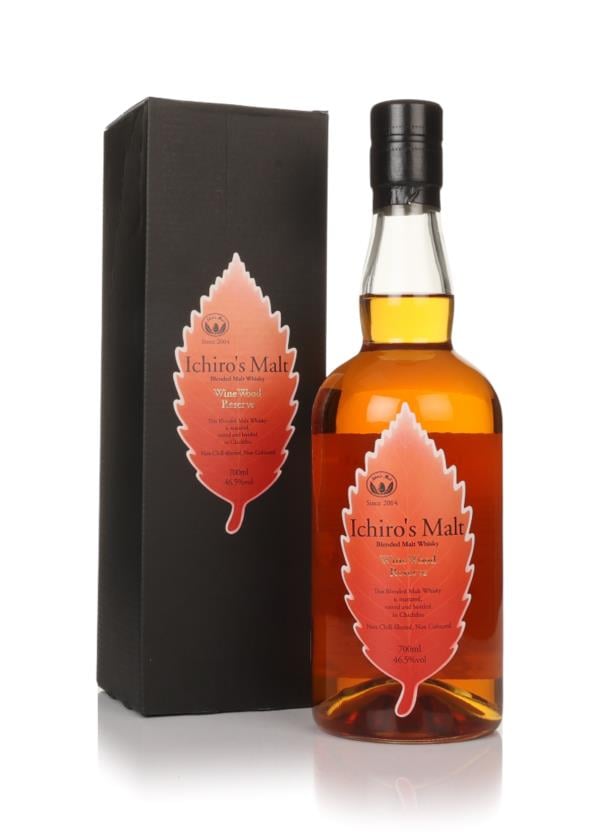
The Ichiro's Malt Mizunara Wood Reserve uses Hanyu spirit — the rescued stock from the demolished Saitama distillery — finished in mizunara casks at the Chichibu facility. It is one of the rare bottlings that allows Hanyu spirit and Japanese oak to speak to each other directly, and the conversation is remarkable.
What I love about this whisky is its restraint. Mizunara can easily dominate, turning a malt into pure incense and coconut, but the Hanyu base has enough weight and character to hold its ground. The result is balanced — orchard fruit and honey from the spirit, sandalwood and temple smoke from the wood, woven together rather than layered.
Bottled at 46%, it is gentler than the cask-strength Card Series releases but no less considered. Ichiro Akuto's hand is unmistakable: every bottling under his name carries a sense of deliberate craftsmanship, of stock being honoured rather than merely sold.
For anyone who wants to understand what mizunara actually does to whisky, this is one of the clearest, most beautiful examples in existence. It is also, quietly, a reminder of how much of Japanese whisky's identity depends on materials and craft traditions that long predate the industry itself — temple oak, careful coopering, and a cultural patience with wood that other whisky nations are only beginning to learn.