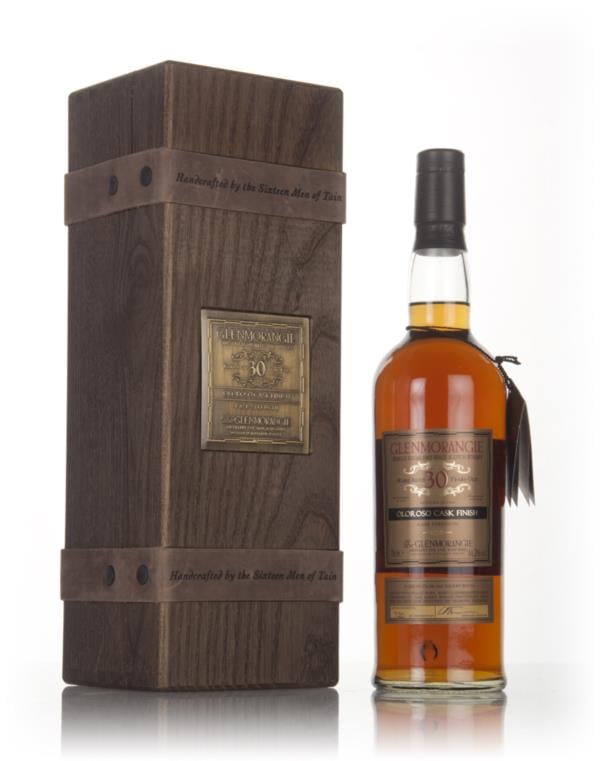

Glenmorangie was among the first Scottish distilleries to take wine-cask finishing seriously, and the practice owes much to Dr Bill Lumsden's tenure as head of distilling and whisky creation. The Burgundy finish has appeared in several forms over the years, both as a limited edition under the Extra Matured name and, latterly, as part of the distillery's wider French wood programme.
The whisky spends its first ten years or so in ex-bourbon casks before being transferred to barrels that previously held red Burgundy — pinot noir from the Cote d'Or. It is bottled at 43%, the standard for Glenmorangie's Extra Matured tier.
The nose is unmistakably Glenmorangie filtered through red wine — strawberry, redcurrant and peach above the vanilla oak, with a soft floral note that the tall stills always seem to protect. The palate keeps things delicate: red berries, honey, ripe pear and a gentle spice that the pinot wood contributes without ever overwhelming the malt. It is a less obvious finish than sherry, and arguably a more natural partner for Glenmorangie's lighter spirit. The finish is medium and gently drying, with red fruit ceding to vanilla and a faint white pepper.
Wine finishes can easily go wrong — too tannic, too jammy, or simply at odds with the underlying whisky — but Glenmorangie's experience here shows. The Burgundy expression is restrained and well integrated, and offers an interesting alternative to the sherried Lasanta for those exploring the distillery's wood programme. It is, in its quiet way, one of the more elegant pinot-finished single malts on the market.