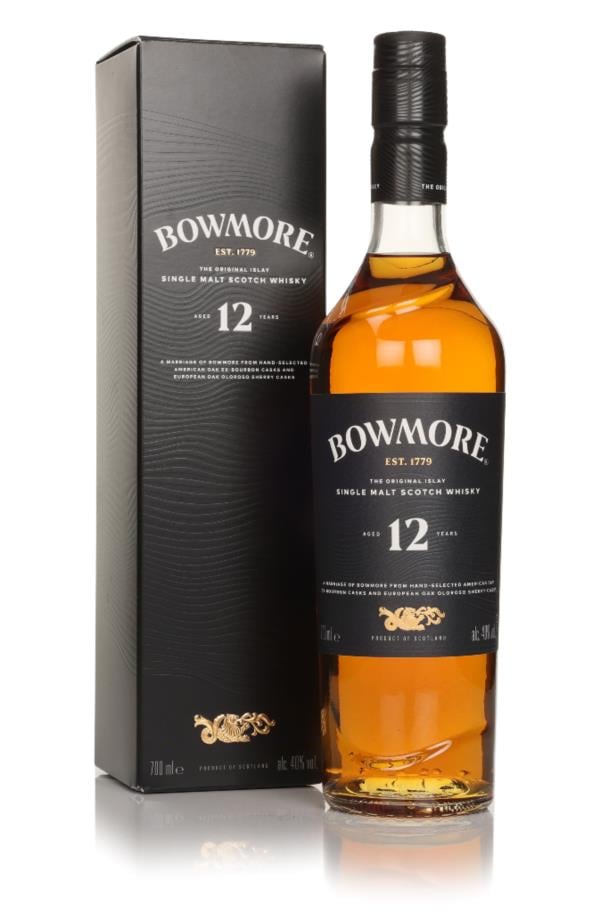

The thirty-five-year-old tier of Bowmore sits above the house thirty in the distillery's aged range, and the extra five years show themselves not in any sudden change but in a gradual further softening of the whisky's edges. By this age the peat smoke that is Bowmore's calling card has retreated almost entirely into the background, leaving the distillate's famous tropical fruit character as the dominant voice.
Bowmore has released a number of thirty-five-year-olds over the years, several of them under the Black Bowmore and Gold Bowmore prestige halo and several more as standalone expressions of the aged range. Despite variation between releases, the thirty-five-year-old Bowmore profile is recognisable to anyone who has spent time with the distillery's older bottlings: tropical fruit married to beeswax, old oak and the saline memory of the No. 1 Vaults.
At thirty-five years the whisky is working on narrow margins. The oak is assertive and must be balanced against what the spirit has left to give; Bowmore's stillhouse runs on the lighter, fruitier side of Islay, and the fruit esters that carry these aged bottlings need time to develop but not so much that the wood swallows them. Most judge the distillery's thirty-fives to land comfortably on the right side of that line.
These are not whiskies bought to drink at Hogmanay. They are contemplative bottles, opened for particular occasions or particular company, and they reward slow drinking in a warm room. For admirers of aged Islay who find the smokier end of the region has begun to tire them, the Bowmore thirty-five is often the bottle that coaxes them back. It is a whisky that has earned its age, and wears it lightly.