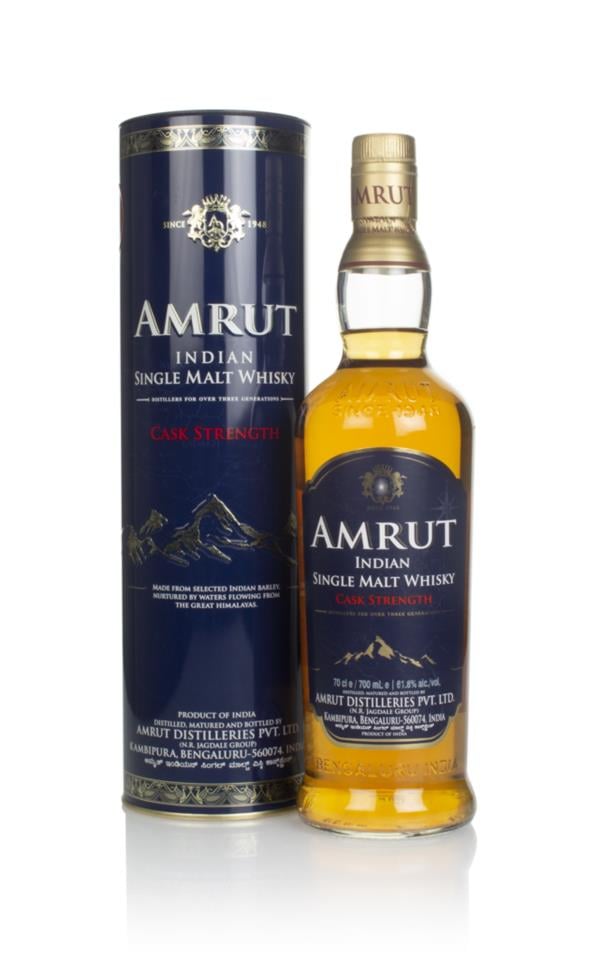

This is Amrut with the filters off. Drawn from a single ex-bourbon barrel, bottled at full cask strength — typically somewhere north of 60% ABV — and released without chill-filtration, colouring or dilution, these single cask expressions are the closest you can get to tasting straight from the warehouse floor in Bangalore.
Ex-bourbon oak is the canvas on which Amrut's Indian barley paints most vividly. The porous American oak, already seasoned by four years of Kentucky whiskey, gives up its vanilla, coconut and creamy sweetness eagerly when asked by the Indian climate. And the climate asks loudly: at eleven percent angel's share per year, a Bangalore ex-bourbon cask does in three years what a Scotch cask does in a dozen.
What sets the single cask releases apart from standard Amrut is transparency. There is no blending to round off edges, no vatting to smooth a profile; what you taste is the character of one specific barrel, for better or worse. In the bourbon casks, it is almost always for the better. The wood gives structure; the tropical barley gives fruit; the cask strength gives power; and the distillery's house character — that unmistakable oily weight — holds it all together.
These bottles are typically released in numbered batches of just a few hundred, often destined for a particular market or specialist retailer. Add a few drops of water to tame the heat and the fruit bursts open. Neat, it is a punch-in-the-chest celebration of what Indian whisky can do. A distiller's dram.