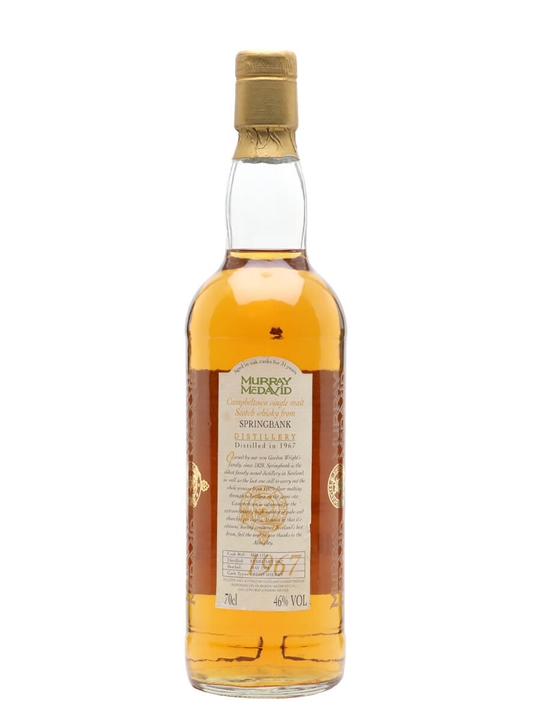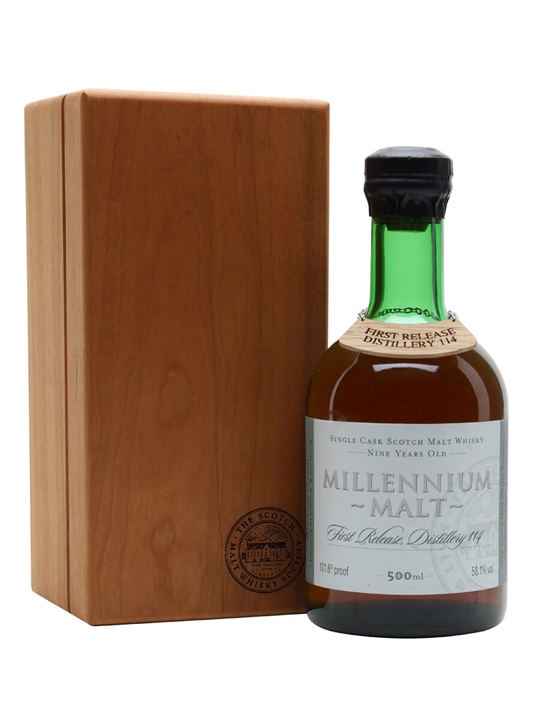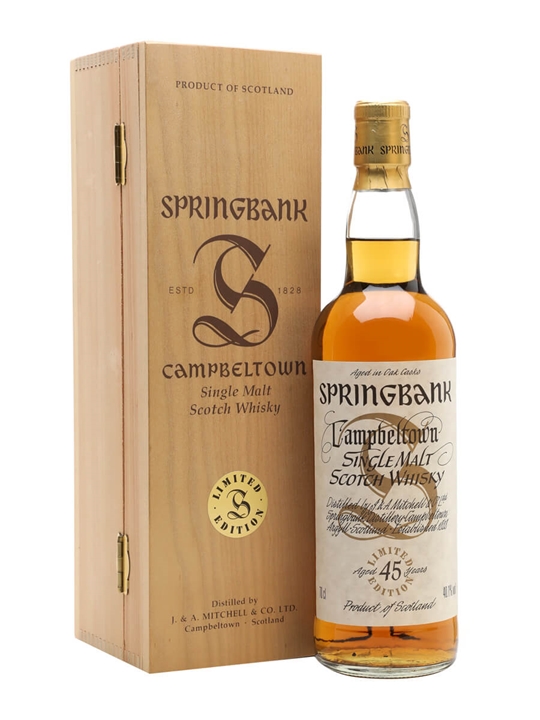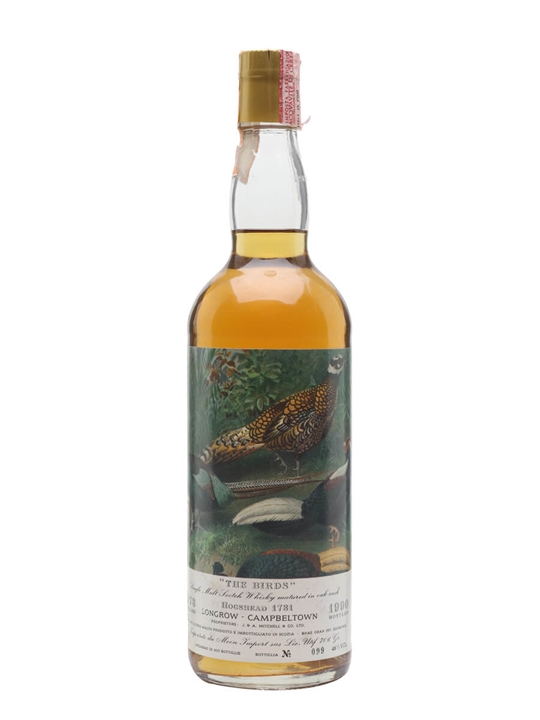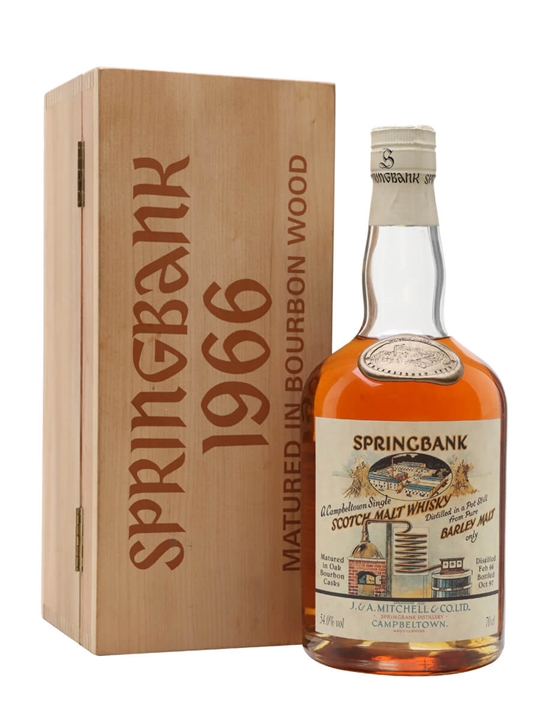
There are bottles you drink and bottles you sit with. The Springbank 1966 Local Barley, bottled in 1997 from cask #490, is the latter — the kind of whisky that makes you turn off your phone, close the laptop, and pay attention. At £10,000, it demands that you do.
I first encountered this bottle at a private tasting in Glasgow, and what struck me before I even raised the glass was the provenance. A 1966 distillation, bottled three decades later at a muscular 54% ABV — no chill filtration, no apologies. The 'Local Barley' designation tells you something important: this was made from grain grown in and around Campbeltown itself, a practice Springbank has championed with quiet stubbornness while the rest of the industry sources from wherever is cheapest. That matters. Terroir is not a word the Scotch industry loves, but when you're drinking barley that grew within sight of the distillery, within smell of the same Atlantic salt air that crept through the warehouse walls for thirty-one years, you taste place.
Campbeltown was once the whisky capital of Scotland — over thirty distilleries crammed into a small fishing town on the Kintyre peninsula. By 1966, that number had dwindled to a handful. What survived did so through sheer quality and bloody-mindedness. A bottle from that era carries weight beyond what's in the glass. It's a snapshot of a town refusing to disappear.
At 54%, this is not a gentle dram. It arrives with authority. The cask strength bottling was the right call — diluting a whisky that spent three decades developing complexity would have been a disservice. You can add water if you wish, and I'd suggest a few drops to open things up, but taste it neat first and let it tell you what it wants.
Tasting Notes
I won't manufacture specific notes from memory — this is a bottle most people will encounter once, if ever, and it deserves honest reporting rather than purple prose. What I can say is that Campbeltown malts of this era tend toward a characteristic maritime salinity, a certain oiliness, and a depth that's distinct from Highland or Speyside whisky. At this age and strength, expect the cask to have contributed significantly, but with Springbank's famously unhurried approach, the spirit underneath should still be speaking clearly.
The Verdict
An 8.2 out of 10 for a £10,000 bottle might seem restrained, but here's my thinking: this is an extraordinary whisky from an extraordinary era, and the Local Barley designation adds genuine provenance. But the price reflects rarity and collectibility as much as what's in the glass. For the serious Campbeltown devotee — someone who has worked through the modern Springbank range and wants to understand where it all came from — this is a remarkable piece of liquid history. For anyone else, there are stunning Springbanks at a fraction of the cost that will teach you just as much about why this distillery matters. The 8.2 reflects what's in the bottle: something genuinely special, bottled with integrity, from a place and time that no longer exists.
Best Served
Neat, in a tulip glass, with nothing competing for your attention. A few drops of cool, soft water after your first sip — let the ABV settle and the spirit breathe. This is a late-evening whisky, ideally shared with one other person who understands what they're holding. If you're near Campbeltown, all the better — pour it with a window open to the harbour air and close the circle between glass and ground.