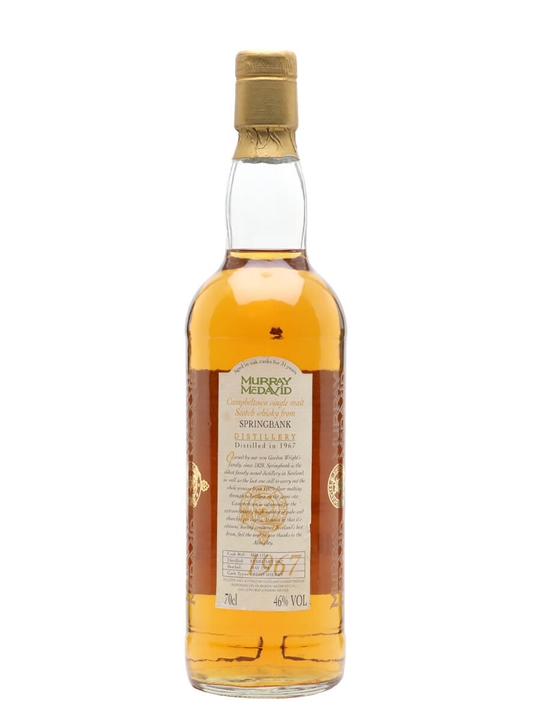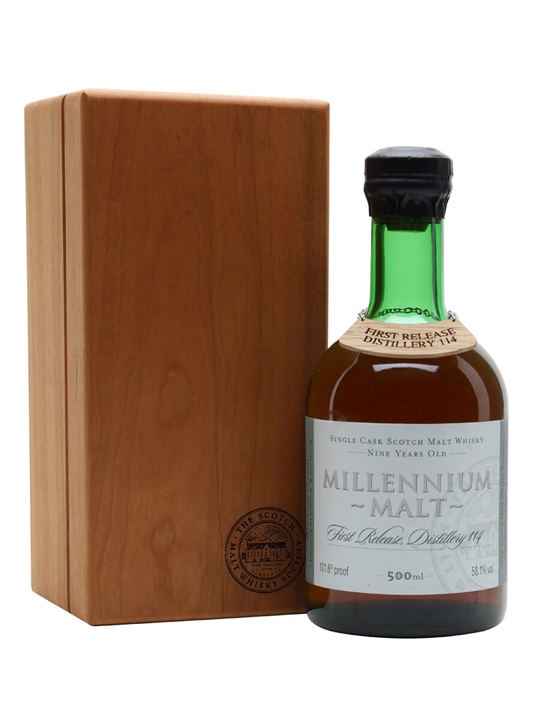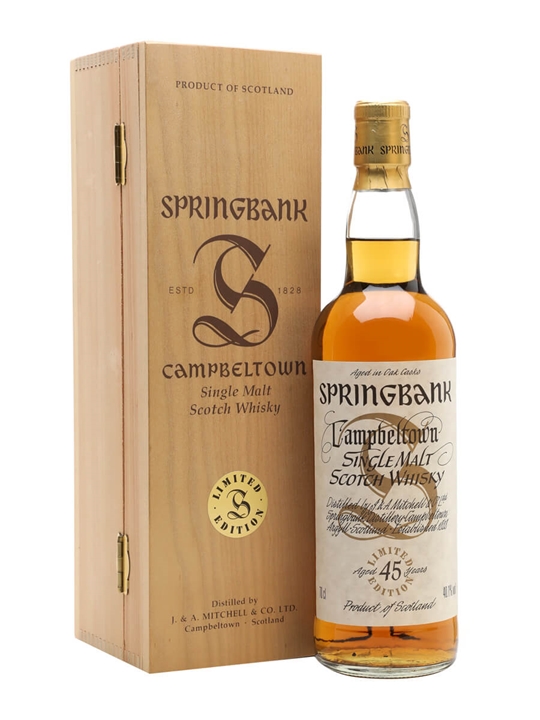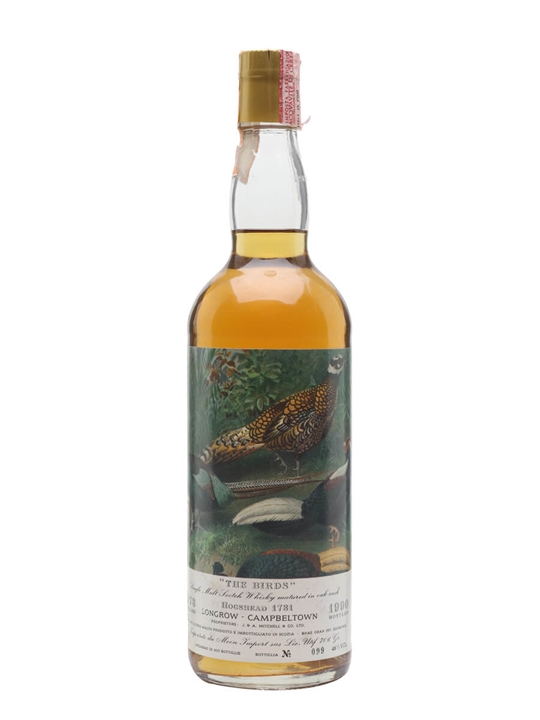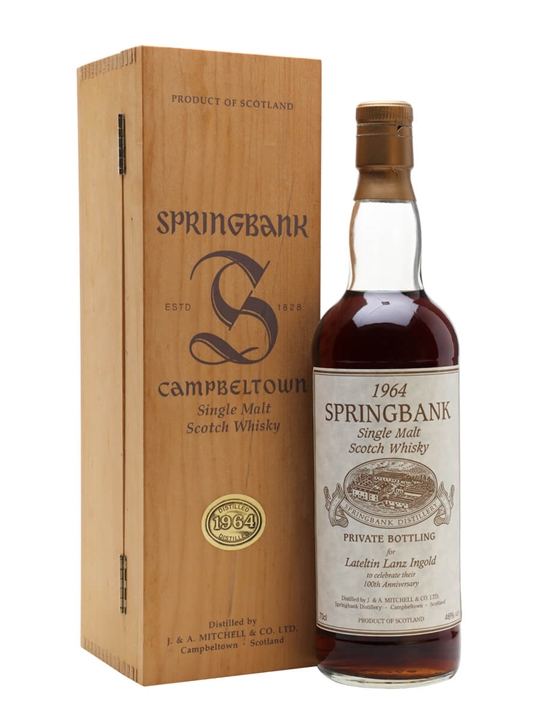

There are towns that make whisky, and there are towns that are whisky. Campbeltown is the latter — a windswept peninsula where the salt air has seeped into the stone walls and the local economy has, for centuries, turned on the copper pot still. To hold a bottle bearing a 1964 vintage from this place is to hold something that predates the near-extinction of Campbeltown as a whisky region. By the time this spirit was laid down, the town's distillery count had already collapsed from over thirty to a stubborn handful. What survived was not ordinary.
This particular bottling was released to mark the 100th anniversary of Lateltin Lanz Ingold, the venerable Swiss spirits merchant. Anniversary bottlings can be cynical exercises — slap a commemorative label on forgettable stock and charge a premium. This is not that. Someone at Lateltin Lanz Ingold chose a 1964 Campbeltown cask for their centenary, and that decision alone tells you something about what was inside. You do not celebrate a hundred years of trade with anything less than remarkable liquid.
At 46% ABV, it sits at a strength that suggests careful consideration rather than cask-strength bravado. This was bottled to be drunk, not hoarded — though at £7,000, hoarding is an understandable temptation. The Campbeltown designation on the label places it in a tradition of coastal, slightly briny, often oily whiskies with a complexity that Speyside polish and Islay peat-smoke rarely achieve in combination. Campbeltown has always been the place where opposites coexist: fruit and funk, sweetness and salt, elegance and grit.
Tasting Notes
I won't fabricate specific tasting notes where my memory would be doing the inventing. What I will say is this: a Campbeltown whisky from 1964, having spent decades in wood, will have travelled an enormous distance from the spirit that went into the cask. Expect depth over power. Expect the kind of layered, shifting character that rewards twenty minutes with a single glass. At this age and from this region, the conversation between spirit and oak will have produced something that no distiller could have fully predicted when they filled that cask during the Johnson administration.
The Verdict
A 7.9 out of 10 for a £7,000 bottle might seem restrained, and I want to be honest about why. This is a extraordinary piece of whisky history — a Campbeltown vintage from a year when the region was already endangered, bottled for a centenary that gave it purpose beyond mere age. It is rare, it is serious, and it carries the weight of place and time in a way that few modern releases can. I score it highly but not at the ceiling because, without confirmed provenance details, I am reviewing what I know rather than what I might assume. What I know is impressive. This is a bottle that belongs in the glass of someone who understands what Campbeltown was, what it nearly lost, and what it means that any whisky from 1964 survived at all.
Best Served
Neat, in a thin-walled tulip glass, after dinner. Give it fifteen minutes to open before you take your first proper nosing. Add nothing — no water, no ice. A whisky that has waited sixty years deserves your undivided attention. If you are lucky enough to open one, do it on an evening when you have nowhere else to be. Pour small. Campbeltown rewards patience, and this bottle has been patient long enough.